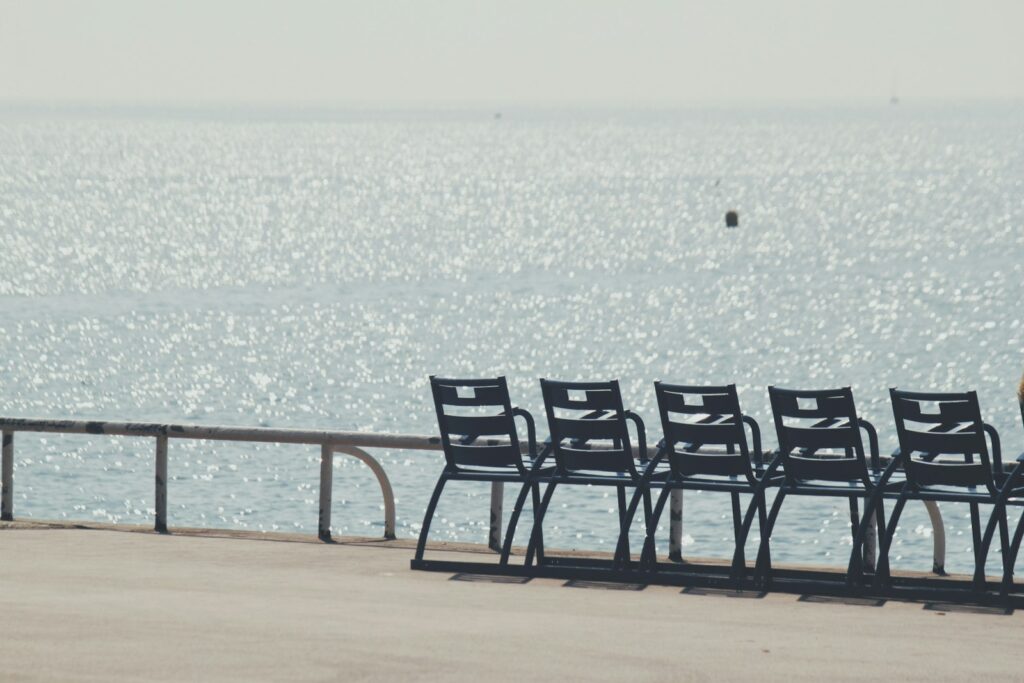
Fjaka is the Dalmatian word for a state of blissful, guilt-free torpor: the condition in which you want nothing, need nothing and can do nothing, and are perfectly content about it. Locals define it, only half-joking, as a spiritual state rather than a mood — something that descends on you rather than something you choose. The word most likely comes from the Italian fiacca, weariness, which the coast borrowed and improved: in Italian it is a complaint, in Dalmatian it is an achievement. You cannot buy fjaka and you cannot schedule it. You can, however, stop getting in its way.
What it actually is
Fjaka is not laziness, because laziness implies there was something you should have been doing. Fjaka arrives after the work is done, or after lunch, or when the heat makes effort simply unreasonable — and it carries no debt. It has physical symptoms: a heaviness in the limbs, a pleasant blankness, a total loss of interest in your own plans. Ask a Dalmatian how they are and “u fjaki” is a complete and respectable answer. The nearest thing in another language is the Italian dolce far niente, the sweetness of doing nothing — but fjaka is heavier, hotter and funnier.
Its companion word: pomalo
If fjaka is the state, pomalo is the instruction. It means slowly, gently, easy does it, and along this coast it works as a greeting, a goodbye, a piece of advice and an entire worldview. Someone rushing gets told pomalo. Someone panicking gets told pomalo. The bill takes forty minutes: pomalo. Learn the two words and you have the local operating system — the rest is vocabulary.
When fjaka happens
Classically, between about one and five in the afternoon in high summer, when the stone is too hot to touch and the streets empty out as if something had been announced. It also comes after a long lunch, after swimming, and on the first genuinely warm day of spring, which is when it does the most damage to the working week. In winter it is rarer and takes the form of a very long coffee. Our guide to the summer heat is essentially a practical manual for arranging your day around it.
How to have it properly in Split
You need shade, a view of something slow, and no timetable. The pine shade on Marjan is the purist’s choice — walk up early, find a bench, stop. A stone step in a Veli Varoš courtyard works, as does a café chair under the Riva palms with one coffee you are in no hurry to finish. Best of all: swim first, then lie in the shade with salt drying on your skin. Our swimming guide handles the first half of that.
The rules, such as they are
No phone — a screen is the enemy of fjaka, because it is a machine for wanting things. No planning the evening while the afternoon is still happening. One drink, ordered slowly; a coffee is entirely legitimate and, as our guide to Split’s coffee culture explains, sitting for two hours over a single cup is not rude here but normal. And do not tell anyone you are “doing fjaka”. Fjaka you announce is fjaka you have not got.
Why a visitor should care
Because most people come to Dalmatia and try to defeat it. They book the boat trip, the second boat trip and the tour, and go home tired, having seen everything and rested nowhere. The local skill worth stealing is not a sight; it is the willingness to write off an afternoon on purpose. Do one thing a day. Leave the rest to the heat. That is also, quietly, the best argument for staying longer than three nights — see our long-stays guide.
Where to try it
Our apartments are in Veli Varoš, the old fishermen’s quarter, which is built for this: thick stone walls, shuttered windows, shade in the lanes by early afternoon, and the sea five minutes down the hill. Swim in the morning, eat too much at lunch, close the shutters, and let the afternoon go. You are not wasting the day. You are finally using it correctly.