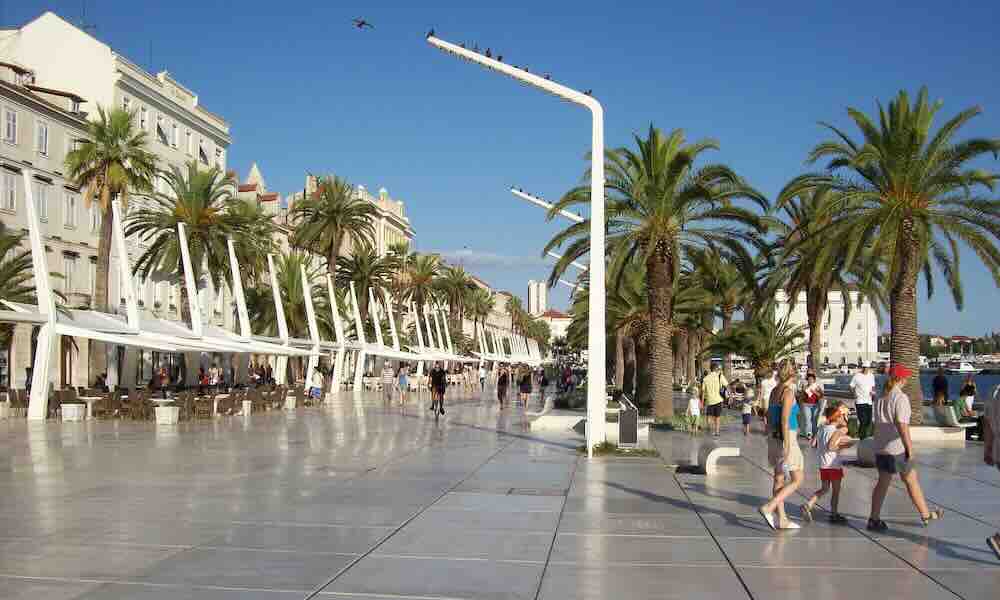
Split eats well, but most of what tourists end up eating isn’t what locals actually order. The lit-up Riva looks like the obvious choice — most of it isn’t. The real food sits in the back streets, in plain rooms with paper menus or no menu at all, where the cook is also the host and the bottle of house wine on your table costs less than a single glass at the harbour.
Here are seven konobas — the small, traditional Dalmatian taverns — where locals in Split actually go. None are secret. All are within walking distance of our apartments in the old town.
First, what’s a konoba?
A konoba isn’t quite a restaurant. The word originally meant a stone cellar where families kept wine, olive oil, and cured meat — somewhere cool, somewhere intimate. The taverns that adopted the name kept the feel: small rooms, wood beams, a short menu, an emphasis on fish caught that morning or meat from a known farm. You don’t go to a konoba to be impressed. You go to be fed.
1. Villa Spiza — the tiny one nobody translates
Down a quiet alley off the Pjaca, Villa Spiza has maybe seven tables and no real menu — they tell you what they have, you order, and it arrives. The fish is whatever came in that morning. The price is honest. Reservations don’t exist. Get there before 7pm or expect to wait outside.
2. Konoba Matejuška — fish and a fishing-boat view
Matejuška is the small harbour just past the western end of the Riva, where the city’s fishermen still tie up. The konoba named after it stays close to that spirit: simple, fish-forward, unhurried. Order the white fish, grilled, and let the waiter pick the wine.
3. Konoba Marjan — the old-school plate
On a quiet street near Marjan park, this is the kind of place older Dalmatian men go for lunch, alone, with a half-litre of red. Big plates of pašticada, peka, and grilled meat. Don’t expect a tasting menu. Do expect to leave full.
4. Konoba Varoš — slow Dalmatia in the old neighbourhood
Varoš is the old fishermen’s neighbourhood west of the Riva — narrow lanes, low stone houses, washing on the lines. The konoba bears the name and matches the street: traditional Dalmatian dishes, no rush, an old-Croatia feel that the polished tourist restaurants try to imitate.
5. Konoba Fife — by the working end of the harbour
Past the cruise ships, where the seafront becomes a working street, Konoba Fife serves what fishermen and ferry crews eat. It’s louder, it’s faster, the portions are large, and the prices feel like a different decade. Peka and brodet are the orders.
6. Konoba Bajamonti — old-town gloss, local heart
A grander room than the others, on a square that still has the weight of the old town behind it. Bajamonti tilts a little fancier, but locals still come for occasions and Sunday lunches. Solid wine list, modern Dalmatian cooking, slower service in the right way.
7. Apetit — modern, but locals still approve
Tucked into one of the lanes off the Pjaca, Apetit is younger and a little more polished — but the kitchen takes Dalmatian cooking seriously, the staff know the regulars by name, and the menu changes with what’s in season. A good middle ground if you want konoba food without the no-menu uncertainty.
A few rules for fitting in
House wine is fine — order it. Fish is sold by the kilogram and you pick from a tray; that’s normal. Lunch happens late (1–2pm), dinner later (after 8pm). Tipping isn’t expected the way it is in the US — round up the bill or leave 5–10%. Don’t ask for ketchup. Sit, eat slowly, watch the waiter pour.
And if you want to go straight from a long Dalmatian lunch back to a stone-walled apartment in the old town for a nap before dinner — that’s exactly what we built ours for.